

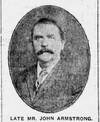
Saint John, N.B., son of Valentine H. Nelson and Margaret Rodger (Roger); m. Isabel K. Armstrong, and they had two sons and two daughters; d. 19 Jan. 1904 in Montreal and was
.
In October the Sanfords, George Churchill and his wife, Matilda M. Churchill, William Freeman Armstrong, Flora Eaton, and Maria Armstrong left for Rangoon (Yangon), Burma. Known as the “serving
BLAIR, JAMES, farmer; b. 4 Oct. 1825 in Selkirk, Scotland, son of John Blair and Margaret Armstrong; d
McRAE, JOHN WILLIAM, businessman and politician; b. 31 Jan. 1848 in Horton Township, Upper Canada, son of John McRae and
joined George Palmer as a co-owner of the Guelph Weekly Mercury. In 1867 Palmer sold out to Innes and John Campbell McLagan, who added a daily edition. After McLagan dissolved the partnership in
Mulvey, its new master, led a procession at Armstrong’s Point (Winnipeg) to celebrate the anniversary of the battle of the Boyne there were over 100 members. Mulvey was a man of extreme Protestant views
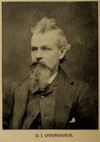
them John Armstrong, in the spring of 1872. O’Donoghue and stonecutter Donald Robertson successfully lobbied
, youngest son of John Scadding and Melicent (Melly) Triggs; m. 14 Aug. 1841 Harriet Eugenia Baldwin (d. 1843) in Toronto, and they had one daughter; d. 6 May 1901 in Toronto
McCORMICK, THOMAS, manufacturer; b. 1 July 1830 in Dungannon (Northern Ireland); m. Catherine Armstrong
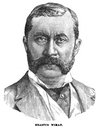
government of Sir John A. Macdonald*. Founder in 1885 and first president of the Canadian Club in New York City, he promoted
McCABE, WILLIAM, teacher and businessman; b. 12 June 1835 in Hallowell (Picton), Upper Canada, son of John
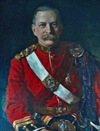
DAVIDSON, JOHN IRVINE, businessman, office holder, and militia officer; b. 17 Nov. 1854 in Wartle, Aberdeenshire, Scotland
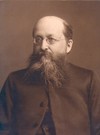
ba in classics and natural science. He studied theology under John Medley*, bishop of Fredericton, and the Reverend John Armstrong
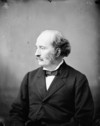
1818 in Redhaven, near Portsoy, Scotland, tenth child and eighth son of John Dawson and Anne McDonell; d. unmarried 30 Oct. 1902 in Ottawa
the Tillsonburg and Dist. Hist. Museum Soc., 1972–84, available at the museum. J. I.Cooper and John Armstrong, Tillsonburg: a history, 1825–1982 (Tillsonburg, 1984
Hall and Mechanics’ Institute in 1845–46 and stores planned by John George Howard* for A. V. Brown in 1847. Apparently helped in his
establishment for the next seven years. Its significance was largely due to the fact that after the defeat of George Armstrong Custer at the battle of the Little Bighorn River in June 1876, Sitting Bull
Wright*, a labour organizer and Tory stalwart, went so far in June 1886 as to warn Prime Minister Sir John A. Macdonald
About Duplicate Matches