

.
In 1827–28, Wood was in England and took his ma at Cambridge. He also published An apology for the colonial clergy of Great Britain: specially for those of
; possibly it took place at this time. In 1858 Fleury returned from a visit to Upper Canada and told of the need for missionary clergy in the new diocese of Huron. Sullivan, John Philip DuMoulin, and James
general movement toward the formation of synods and convocations composed of clergy and laity to govern church affairs. Bishop John Inglis had stated that he thought this movement would cause division in
succeed Anson, a staunch Tractarian. The diocesan clergy, however, were mainly of the Tractarian (or Anglo-Catholic) tradition and were therefore pleased with the appointment. Burn arrived in Qu’Appelle
Cartier, then at the height of his political power and enjoying the clergy’s support, made, to the stupefaction of his opponents, with George Brown, in order to prepare the way for confederation
clergy, little assistance could be tendered. Still hampered by disruptions which the British conquest had precipitated [see Jean-Olivier
being heatedly discussed in Canada at the moment,” such as the Université Laval, the Catholic Programme, and “undue influence.” He was to put an end to “the excessive intervention of the clergy in
from England. Cronyn took care of finance. With other clergy and laity in the western part of the diocese, he organized an episcopal fund committee which raised the £10,000 endowment stipulated by the
considerable opposition from the local clergy. Not only were they unused to hierarchical interference, but they were also angry that they had been denied a voice in the selection of their bishop. Furthermore
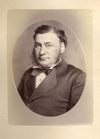
submit to it willy-nilly. Our people are so demoralized that they no longer feel anything.” He attributed this lethargy in great part to the clergy, who had shown themselves favourable to the government
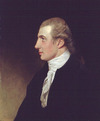
Murray* in 1763 and repeated to his successors. Protestant schools and provision for the support of schoolmasters and clergy by glebes were to have been the means of accomplishing these ends, but the
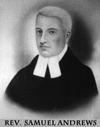
been preaching on the “Duty of Obedience to the higher Powers,” a stand taken by most of his fellow Anglican clergy. Although his lack of sympathy with those opposing the Stamp Act marked him as a tory
, with the clergy voting for Anglo-Catholic John Charles Roper and the laity for Clarendon Lamb Worrell*. On the seventh ballot, high
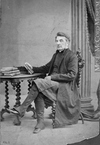
and conferred with Lord Elgin [Bruce] and Bishop Mountain. The Montreal clergy and laity were understandably
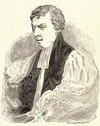
England in 1820 he spent more than a year in 1821–22 journeying through the diocese. He was sent to England in March 1823 to defend Anglican claims to exclusive benefit from the clergy reserves, lands set
, thought they had too long suffered the ministrations of the clergy of the Church of England. After years of dispirited searching, the Presbyterians finally secured the services of a clergyman of their
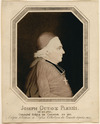
. Hubert succeeded d’Esgly in 1788 and from the new bishop, who was less authoritarian than Briand, Plessis learned a more psychologically oriented approach to the direction of clergy and people
dioceses of Quebec and Nova Scotia. Thirty-eight missionaries in Upper Canada were being paid from clergy reserves income and 28 in Nova Scotia received salaries from the British parliament. In 1864, with
.
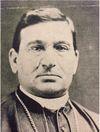
Besides serving as college administrator, Carfagnini taught philosophy and theology, yet he remained a somewhat distant figure to his students. From documents submitted to Rome by the Harbour Grace clergy
after 1853, when three new Kirk ministers, G. W. Sprott, Alexander McLean, and Allan Pollok, came out from Scotland in answer to his pleas for support. Realizing the need for a native clergy