

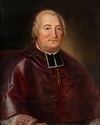
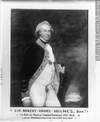
Milnes*, whom he had to inform of all other appointments. The government was disputing the ownership of the bishop’s palace with him. He lacked priests; discipline and training among the clergy
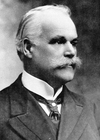
, Desjardins counted on the clergy, whom he asked to participate in the administration and, if necessary, the management, of the caisses. Concerned about social issues, of which Rerum novarum

religious, and during the disturbed years from 1858 to 1866 he had the benefit of the clergy’s benevolence and indulgence. Bearing a note delivered to him on 3 April 1865 by the administrator of the
of parish clergy and churchwardens. He served on numerous committees of synod and was often a delegate to the synod of the ecclesiastical province of Canada. Consequently, he was one of the most
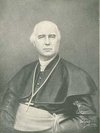
taken up his profession again at Saint-Jean. He had not forgiven the clergy for its attitude towards the events of 1837, and contrived to harass La Rocque continually. On 7 Jan. 1844 he
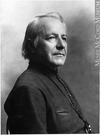
-Hyacinthe on 13 June 1849, he was sent to Pembina (N.Dak.), which was served by clergy from Red River. There he assisted Bellecourt, and in 1851 he accompanied Métis hunters on the plains
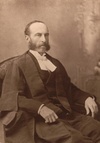
-denominational. Despite the opposition of the Roman Catholic clergy, mhas, and press, the Common Schools Act was passed by a large Protestant majority. The Roman Catholics, most of
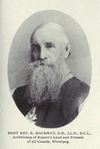
Red River colony (Man.) and it was there that most of the 22 clergy in the diocese were located.
Machray travelled to the Red River colony
executive had no check. Various concrete measures could set the desired change in motion: getting British people to settle the townships quickly; bringing the Catholic clergy under the authority of the crown
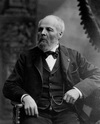
. Daoust had alarmed the Catholic clergy by endorsing Joseph Papin*’s defence of non-denominational schools, and they had thrown their weight behind
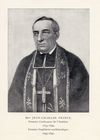
denounced any form of opposition to authority. Prince undertook to forward to his bishop a resolution expressing a desire that the clergy send an address to the government in London seeking justice for French
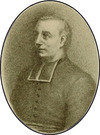
had to heal the wounds caused by the open dissension among the clergy.
The winter of 1834–35 marked a turning-point in Quiblier’s relations with the
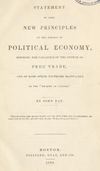
spokesman for the Presbyterian Church in Canada in Connection with the Church of Scotland. He was intimately involved in the clergy reserves controversy, and in 1828 he published a long open letter in the
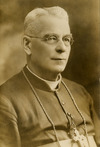
, a weekly for both the clergy and Roman Catholics in general. He started a column about the activities of the Action Sociale Catholique in this diocesan publication and changed its title by adding
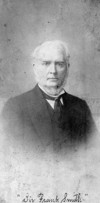
Catholics. Few clergy approved of the convention since the lay power it represented posed a direct threat to clerical leadership within the Irish Catholic community
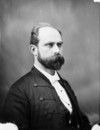
the Roman Catholic Church and its clergy. Although he abandoned the idea of joining clerical ranks, he remained committed to militant Catholic action throughout his life
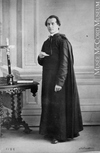
training enough teachers, and offering a program that was too advanced. Abbé Verreau’s responses showed his independence of mind with regard to the clergy (of which he was a member) and to certain
Elements) there; the director, Jean-Charles Bédard, considered him an excellent teacher for those beginning the classical program. Like most Catholic clergy in the colony at this time Viau completed his
given a share of the revenues from the clergy reserves. Like most of his later pamphlets and open letters, this was important more as a symptom of local problems than as a contribution to their solution
report.
The last, but by no means the least problem that had to be discussed with the authorities was the thorny one of giving the Canadian clergy a