

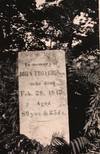
*], a former resident of Long Point, described him in her reminiscences as “a fine looking old man with a long flowing Beard. . . . He possessed a thorough knowledge of witches, their ways
over the pseudonyms “Albyn” and “the Bard of Ellenvale.” The witch of the Westcot; a tale of Nova-Scotia, in three cantos was an ambitious work. An historical tale in verse, it
women whom he denounced as witches. Louis Tronson, superior of the seminary of Saint-Sulpice in Paris, had no alternative but to recall him in 1693
Moore, later faulted A daughter of witches . . . (Toronto, 1900) for its American setting and forecast
-wisps and witches on the Île d’Orléans. After Sir James MacPherson Le Moine* in his article “Marie-Josephte Corriveau, a
congregation. Harmony prevailed for some time afterwards, but around 1816 a blistering sermon in which Ross ridiculed belief in witches and fairies resulted in the desertion of part of his flock. The arrival in
. He wintered at Witch Lake (perhaps Good Spirit Lake, Sask.). Undaunted, Cocking described this new territory in his journal and sought to attach to the company the stranger Indians he met. He set off
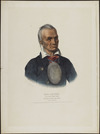
people. When a Seneca was tried for executing a witch in 1821, Red Jacket took the stand in his defence. In 1824 he even managed to expel white missionaries from the Seneca reservations for a short period
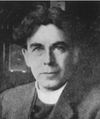
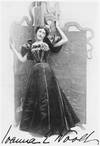
death in 1924 of his son, Robert Edmund (Ted), in a hunting accident. Norwood also wrote two poetic dramas on biblical themes: The witch of Endor (1916), which is dedicated to Blackburn, and

scattered the population and for which the witch doctors blamed the fathers, as the French were not affected.
Between this first mission with Father
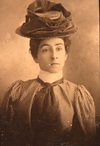
places and some of the individuals he wrote about, such as hunter/runner Akoose of the Crooked Lake agency and his father Qui-witch.
Amelia Paget’s
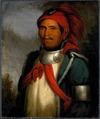
before the witch-hunt ceased. In May, Tenskwatawa conducted a similar purge among the Wyandots on the Sandusky River, but pro-American chiefs interceded to save the accused
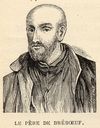
against Brébeuf and his companions. For months on end, under the direction of the witch doctors, a clever campaign was carried on, made up of hypocritical insinuations, then of open and violent threats
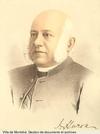
ignoring the letters or responding only to the charges they made, he and the Huron College council had conducted a witch-hunt. Except for the anti-Semitism, it is hard to disagree with the judgement of an
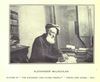
writing poetry in the style of Robert Burns partly because they wished to keep alive the lore of “witches, warlocks, brownies, and fairies” now being frightened off by “steam, wheels and electricity
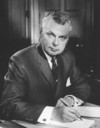
Munsinger, who had apparently been a low-level Soviet agent. The Globe and Mail called the inquiry’s terms of reference “vague, vengeful, prosecutory . . . setting a precedent for endless witch-hunts
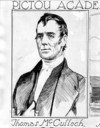
with “popery and the progress of Lollardism in the west of Scotland not forgetting a due quantity of witches kelpies and other gods whom our fathers worshipped.” Set in McCulloch’s boyhood haunts during