

nine acres of land at Pointe-à-Callières. The associates’ aim was clearly stated in the deed of grant: “to join together to found a hospital for men in this place, and . . . create for it a
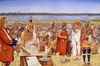
.
After Frontenac died, the Rat transferred his respect to Louis-Hector de Callière, the new Onontio. In
continued to enjoy a distinction which, in the words of Governor Louis-Hector de Callière*, made him “primus inter pares.” The king gave
received by the governor general, Louis-Hector de Callière. Upon his return to Onondaga he informed the

Callière, governor of Montreal and second in command, to Versailles with a plan for the conquest of New York. This plan called for a force of 800 men to go from Canada to raze Albany while a
La Frenaye]; Bishop Saint-Vallier and M. de Callière took part in this ceremony
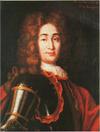
, until a new governor was appointed. The baron hoped to be chosen, deeming it normal to proceed, as Callière
-Saint-Louis. He also had access to documents which he quotes readily. He summarizes the speeches of Callière
port district and relocated further west, in a three-storey building on the corner of Rue de la Commune and Rue de Callière. Thus he retained his clientele
Callière* was appointed governor of Montreal and Perrot was given the post of governor of Acadia.
Not a great deal is known of Perrot’s career from
in playing-card money that governor Louis-Hector de Callière* demanded to “advance the fortifications.” But in 1703 he had to give
bill broker.
The war with France had also spurred Dunlop to move into shipbuilding. In 1793 he took a long-term lease on a lot at Pointe-à-Callière
dispatch of 20 Oct. 1699, Callière and Champigny reported that “Monsieur de Frontenac, just
was called upon by Callière to serve as an interpreter for the nations of the west.
Ruined, saddled with debts because of the “extraordinary expenses
treaties concluded in the time of their ancestors with Governor Callière*, and François
-Hector de Callière*.
Gone are the sobriety, the moderation, and the plausibility of
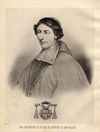
, Callière, and with certain officers of the troops stationed in the colony, but also with the cathedral chapter, the seminary, the Recollets [see
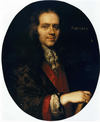
the governor and the intendant. The first three were signed jointly by Callière and Champigny: “We
Callière] and would remain in force until the end of the French regime. Presenting themselves as adoptive fathers of their allies, the French pledged to supply them with European goods
to the rapids called Sault-Saint-Louis (Lachine rapids), arriving there seven days later. He travelled up and down the archipelago from the area he named Place Royale (Pointe-à-Callière), where he made