

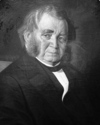
aroused him to anger and eloquence were Catholic assertiveness and slurs on the Orange order. He had been a man who joined fraternal societies, and his long funeral procession included Orangemen, freemasons
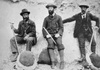
Brighton, England, and became a fellow of the Royal Colonial Institute.
Outram was also a dynamic member of the Orange order. He had been initiated into
entente with the Orange order in 1836 or shrink from marrying an Anglican Irishwoman in 1870. Nor did he conform to the stereotype of the 19th-century Irish Catholic manual labourer. Even in the 1830s he
?]). Hiller, “Hist. of Nfld.” Elinor [Kyte] Senior, “The origin and political activities of the Orange order in Newfoundland, 1863–1890” (ma thesis, Memorial Univ. of Nfld., St
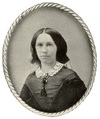
. Reaction to a Protestant sisterhood was mixed. Despite the support of Bishop Arthur Sweatman* and even the Orange order, some
prejudices, and indeed the hatred, that the Orange Order did its best to arouse, especially when two of its members were directly involved: Thomas
.
An Orangeman from the age of 18, Gaskin filled many local and county offices in the order and in the Prentice Boys, an Orange fraternity. He also held title to property for the local lodge (the order
and the second, five years later, of which one copy exists, was entitled A book of Orange songs. Although active in the Orange order, having been a founding member of the provincial grand lodge
colonel over him. In 1846 Beckwith began an association with the York County Agricultural Society and remained a member until his death; he received much of the credit for its vitality. In the Orange
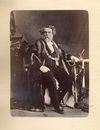
public order and health, he proposed regulations allowing the creation of the City Passenger Railway Company of the City of Montreal, providing for the inspection of milk, and forbidding the sale of
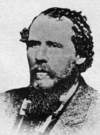
settled in the London District of Upper Canada in 1819; he was educated at the London grammar school and called to the bar of Upper Canada in 1855. A conservative and a member of the Orange order, Francis
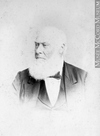
Smiths Falls. He was sympathetic to the Orange Order, although not a member, and belonged to the freemasons.
Shaw was elected for the Bathurst division
. Patriot (St John’s), 12 Sept. 1868. Gunn, Political history of Nfld. Elinor Senior, “The origin and political activities of the Orange Order in Newfoundland, 1863–1890
commitment was to Protestantism. A prejudice against Roman Catholics took overt form in his lifelong membership in the Orange order (he had joined in 1832 in Dublin). He was chaplain to the Charlottetown
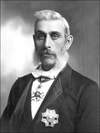
Orange order played a significant role. Since Winter was by this time master of the Royal Oak Lodge in St John’s, he was no doubt selected for a relatively safe seat. His early success in public life
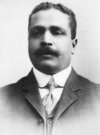
warden at All Saints Anglican Church and belonged to the local masonic lodge, the Orange order (he dubbed himself a “black Orangeman”), and the Independent Order of Foresters. He and his wife (who
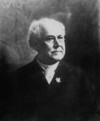
Alexander Muir, patriot and poet (reprinted from the Toronto Sentinel [Toronto?, 1958?]), a pamphlet published by the Orange order, to the effect that “he carried to his grave a stiff
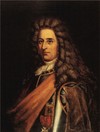
colonial regular troops in the expedition launched by Buade* de Frontenac in the direction of Fort Orange (Albany, N.Y
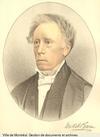
lodge (No.210) and helped fight off an attempt to unseat his cousin as grand master. By 1838 he had earned Ogle’s approbation, promotion to grand secretary of the Orange order, and considerable political
supported the government but advocated moderate reform. Despite his growing moderation he remained an enthusiastic supporter of the Orange order; indeed he was a member of the grand committee of the Grand