

.
Robitaille’s arrival on the provincial scene in 1871 was evidence of a power struggle between two forces: Protestant elements in his riding, with the incumbent Clarence Hamilton, a Liberal, at their centre, and
Hamilton*, Dr James Bowman* of Quebec was officially delegated to visit all the parishes in the province and distribute remedies and advice
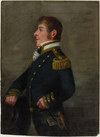
be made during the battle. He was also present at the actions off Burlington Bay (Hamilton Harbour) on 28 September and French Creek, N.Y., on 1 November. In the campaign of 1814 he commanded
Rees*. In 1844 Telfer, Dr William Rawlins Beaumont*, and Dr Joseph Hamilton were appointed to report separately on the
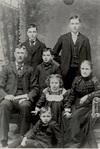
the farm, wanted to join her father in threshing, but he encouraged her to stay home and learn to plough; she demurred and eventually moved to Elora and then to Hamilton as a servant
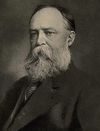
Fanny Murton; m. 5 Nov. 1874 Mary Alexander (d. 1923) in Hamilton, Ont., and they had four sons and three daughters; d. 27 March 1924 in Toronto
in Canada (Hamilton, Ont., 1870) and Life of Bishop Richardson . . . (Toronto, 1876) were controversial but thoroughly researched. These books established the Episcopal version
was offering winter service between Toronto and Hamilton with a branch line from Dundas to Niagara. In the same year he instituted tri-weekly service between Cobourg, Port Hope, and Peterborough and in
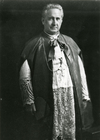
. When Bishop Thomas Joseph Dowling* was transferred to the diocese of Hamilton in 1889, McEvay went with him and ceased his formal
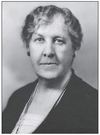
’ Association, which emerged from the CNATN in 1924.
In 1924 Rayside returned to Ontario when she was recruited as nurse superintendent by the Hamilton
exhibition of 1847 and his View of Hamilton, from the mountain was included in the Toronto Society of Arts exhibition the next year. Of a specifically commercial nature were the sketches he made of
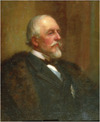
BLACKWOOD (Hamilton-Temple-Blackwood), FREDERICK TEMPLE, 1st Marquess of DUFFERIN and AVA, governor general; b
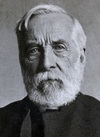
(1861–63), Toronto East, where he was ordained in 1864, and Hamilton (1865–66) were unusually prestigious for a young minister. They also allowed him to make valuable contacts with future benefactors of
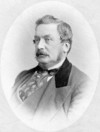
.
Outside Toronto Cumberland was also active. With Thomas Ridout he had a branch operation in Hamilton in 1850–51 and he designed buildings across the province. These included the Haldimand County Court House
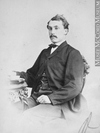
), youngest son of Leslie Gault, a merchant and shipowner, and Mary Hamilton; m. 12 July 1864 Louisa Sarah Harman, and they had a daughter and a son who survived infancy; d. 7 July 1903 in
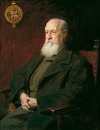
GORDON, ARTHUR HAMILTON, 1st Baron STANMORE, lieutenant governor; b. 26 Nov. 1829 at Argyll House, London, England, youngest
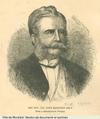
GRAY, JOHN HAMILTON, lawyer, politician, and judge; b. in 1814 at St George, Bermuda; d. 5 June 1889 at Victoria
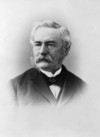
engineering. His father, through commercial association with William Hamilton Merritt*, was first president of the Welland Canal
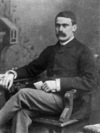
MERRITT, WILLIAM HAMILTON, mining engineer, teacher, author, and militia officer; b. 8 June 1855 in St Catharines
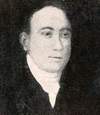
previous governor, Sir Charles Hamilton*, a relationship maintained despite the fact that Scallan, unlike his predecessors and his successor
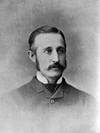
June 1850 in Hamilton, Upper Canada, son of Charles Barrett and Bridget Kelly; m. there Sarah Maria O’Brien (d. 1929) 17 May 1875, and they had at least eight children; d. 1 Oct
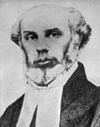
still support the synod in connection with the Church of Scotland (Galt, 1846). Another work, Is man responsible for his belief? A lecture delivered before the members of the Hamilton
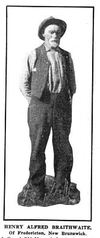
Stanley Parish and Braithwaite Mountain on the boundary between York and Northumberland counties.
W. D. Hamilton
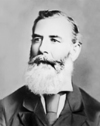
1830 in Thurlow Township, Upper Canada, son of Jonas Canniff and Letitia Flagler; m. first 20 June 1857 Grace Hamilton (d. 1858), and they had a son; m. secondly 15 Sept. 1859
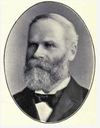
over by James’s son Andrew, who sold the business in 1854 and moved his family to Waterdown (Hamilton). There Andrew attempted unsuccessfully to run a tannery on a 25-acre farm inherited by his wife, and
* in Kingston, Robert Hamilton* at Niagara (Niagara-on-the-Lake), and John Askin* in
, ed. P. R. Blakeley and J. N. Grant (Toronto and Charlottetown, 1982), 197–225. M. W. Hamilton, Sir William Johnson, colonial American, 1715–1763 (Port Washington, N.Y
.
Born in England to a Canadian father and an English mother who moved the family to Canada when James was nearly 14, he lived first in Hamilton, where he attended night classes at the Hamilton Art

children at the Mohawk village where he was born. Following his parents’ move in 1802 to the vicinity of Burlington Bay (Hamilton Harbour), his education was completed at nearby Ancaster and then at Niagara
to Hamilton with his brother to take over the Daily Spectator and Journal of Commerce; an important Conservative daily, it had been founded 18 years earlier by Robert Reid
speech in November 1846, to follow that lead. Sullivan, however, was an early advocate of a different approach. Speaking to the Hamilton Mechanics’ Institute on 17 Nov. 1847, he championed
recommendation of Hamilton Hartley Killaly*, concluded that the completion of the entire canal between Trent Port (Trenton) and Lake Simcoe was
then moved to Hamilton, Ont.
For the next ten years the Bell-Smiths lived in Hamilton and Toronto while Frederic expanded his endeavours to
responsibilities. Bethune went for a year to the bank’s newly opened New York office as accountant. He held the same position in the Hamilton branch; while in Hamilton he married the eldest daughter of James Bell
. According to the Hamilton Spectator, Blackburn would have been George Brown*’s “warming pan” in parliament
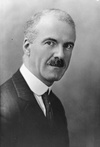
obtained numerous contracts, mapping out, among other projects, land-use plans in Quebec (Montreal and Chicoutimi [Saguenay]) and Ontario (Hamilton, London, and St Catharines), and producing reports on
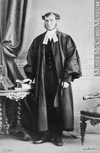
unprecedented rates. In March 1853 he went on to Hamilton, arriving in time to speed a developing revival. John Saltkill Carroll*, the Wesleyan
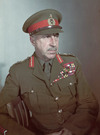
CRERAR, HENRY DUNCAN GRAHAM, militia officer, businessman, and army officer; b. 28 April 1888 in Hamilton, Ont., second
July 1836. British Colonist, 15 Sept. 1849. Hamilton Gazette, and General Advertiser (Hamilton, [Ont.]), 26 Oct. 1840. Early Toronto newspapers (Firth), nos.16, 19
Hamilton, a New Carlisle lawyer, who had been campaigning since his defeat by John Le Boutillier* in 1844. A third candidate, John Meagher
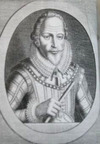
Mooneshine continued alone until stopped by ice at roughly 67°N Standing well off shore because of the wind, Davis sailed south to about 54°30´N (Hamilton Inlet) where he replenished his food supplies
, Thomas, was a merchant, politician, and, during the War of 1812, militia officer. Robert and his brothers were cousins of Robert Hamilton
merchant Robert Hamilton*, DeCow added a gristmill and probably a linseed-oil mill. Located on a principal road, DeCew Falls quickly became an
Hamilton*’s expedition to Vincennes (Ind.) in the autumn of 1778 but left before Hamilton was captured by the Americans in February 1779. For the remainder of the revolution Elliott served as a British
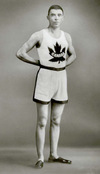
part in this premier event on 19 April 1911 and finished third of 127. In May 1912 in Hamilton, Ont., he and James Duffy* qualified at
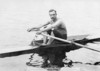
Jacob Gill*, whom he had trained as a rower, would keep the family name in the headlines as a professional football player, president and general manager of the Hamilton Tiger-Cats, and commissioner
.”
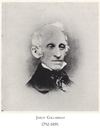
Gilchrist came to Hamilton Township, Upper Canada, about 1817 and on 5 Jan. 1818 he took the oath of allegiance to the crown. On 5 Jan. 1819 he appeared before the newly established Medical Board of
prominent Anglican loyalist, and Henry Hamilton*, formerly lieutenant governor of Quebec. In the second petition, dated 5 May, Gillmore stated

Hamilton*]. At the same time, the decline of protective duties for colonial timber in the British market was forcing producers to turn their attention to the manufacture of sawn lumber for the American

Graham received her mistress’s degree in English literature from the Wesleyan Ladies’ College [see Alexander Burns*] in Hamilton, she