

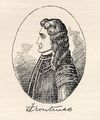
educated is not known. It is known, however, that he attended for several years the same college as the Abbé Tronson, the superior of the Messieurs de Saint-Sulpice; very likely they were educated at a
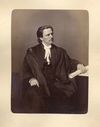
means for him to study at an advanced level, thanks to the Masson family. After attending the village school in Sainte-Thérèse, he entered the Collège Masson, which at that time provided a classical
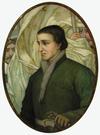
originated in Brittany.
Jérôme was one of the first pupils of the Collège at La Flèche, founded in 1604 by Henri IV and operated by the Jesuits
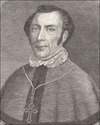
colleges on the European continent, the majority had been educated in Ireland, largely in the diocesan colleges of the southeast. They were of a generation who could practise their religion openly, and they
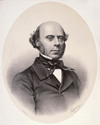
used as instructors. Garneau became an instructor, and his diligence brought him to Perrault’s attention. When he left the school, Garneau wanted to enter the Séminaire de Québec, the only college in the
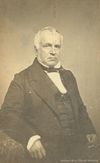
.
Louis-Hippolyte La Fontaine attracted attention at an early age. At the Collège de Montréal, where he began classical studies in 1820, he rapidly distinguished himself by a love of work and an
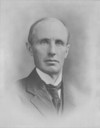
year he returned to Toronto to earn teaching qualifications at the Ontario Normal College.
Having obtained an interim specialist’s certificate
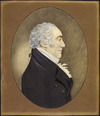
Grant*, and they had seven children; d. 18 May 1831 in Montreal.
John Richardson studied arts at King’s College, Aberdeen, Scotland
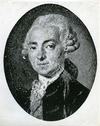
.
François Baby’s father was a fur trader who had been sufficiently successful before his death, four years after François’s birth, to enable the boy to be educated at the Jesuit college at Quebec. His
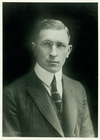
his family to continue his education beyond the local schools. In 1910 he enrolled in general arts at Victoria College in the University of Toronto, was not able to pass all his subjects, and while
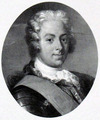
Lauson*; d. 26 Oct. 1756 at Montereau (Montereaufault-Yonne, dept. of Seine-et-Marne), France.
After a good course of study at the Collège
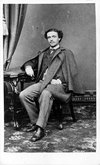
Buies attended the Collège de Sainte-Anne-de-la-Pocatière from 1849 to 1854, the Séminaire de Nicolet in 1854–55, and the Petit Séminaire de Québec in 1855–56. When he was 16, he went to Berbice at the
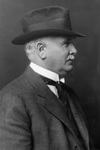
Home, the Salvation Army, the Children’s Shelter of Calgary, the widows and orphans of men in the city’s police force and fire department, the Roman Catholic bishop of Calgary, the Collège Saint-François
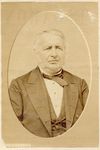
.), and was buried five days later in the Notre-Dame de Belmont cemetery in Sainte-Foy (Que.).
René-Édouard Caron was educated at the college of Saint

Chalker Crosbie had graduated from the Methodist College in St John’s in 1892. He put aside his ambition to become a doctor to help rebuild the hotel, discovering quickly that the plastering trade was
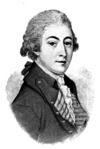
Cugnet’s childhood and adolescence. He does not appear to have attended the Jesuit college in Quebec. He was a descendant of a family of Parisian lawyers – his paternal grandfather, Jean (Jean-Baptiste
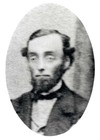
Louis-Eugène to the Collège de Nicolet.
Jean-Baptiste-Éric was baptized with his twin brother François-Edmond on 23 Sept. 1826, by parish priest
regiment of native-born Canadians, freedom of the press, and “the founding of colleges for educating the young.” In this connection Du Calvet recommended that the Jesuit estates be appropriated to
1715 and 1735 one of the most famous lawyers in Paris.
Claude-Thomas Dupuy also chose this career. From 1688 to 1696 he studied at the Collège de
Taillon*, later premier of Quebec, ultimately took up residence in Terrebonne, where they had four children. An only son, Forget commenced classical studies there at the Collège Masson. At age 15, he