

Nathanael, was drawn to the ministry, and was encouraged to acquire a college degree, still a relative rarity at the time for those entering the Methodist ministry. In 1859, with the financial help
-Marie Cadieux was engaged in secondary studies at the Collège Saint-Raphaël in Montreal from 1798 to 1806. He then went to the Séminaire de Nicolet, and there, while studying theology, taught in
revolution. An orphan in 1744, at 15 years of age, Jean-Baptiste made two trips to Guinea. Probably educated at the Collège de l’Oratoire, he was tonsured on 19 Dec. 1750 at the Grand Séminaire des

left the Church of England to become a Baptist, and was active on the board of governors of Acadia College which was chartered in 1841. James De Mille and his brothers were educated at Horton
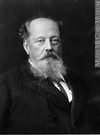
.
After studying at a private school in London, Gilbert Prout Girdwood enrolled at University College in 1851 and then at St George’s Hospital Medical School, a private institution made famous by John
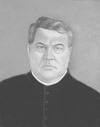
(amounting to at least £1,700) to the Collège de Sainte-Anne-de-la-Pocatière.
In the field of education Langevin stood out as a leader. He encouraged the
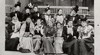
and religion but rare for a woman to receive at that time. After attending public school in Galt, Annie studied at the Brantford Grammar School and then at Hamilton’s Wesleyan Female College. Her
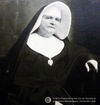
1857 with the Marianite Sisters of Holy Cross in Saint-Laurent, near Montreal. She was later sent to the United States and returned in 1874, called to the College of St Joseph in Memramcook, N.B., as an
summer of 1849, where he attended the fledgling Free Church College.
Shortly after his arrival, Sutherland assumed the superintendence of a growing
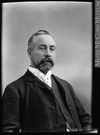
Grammar School in Campbeltown, Duncan McNab McEachran was admitted to the renowned Edinburgh Veterinary College in 1858. He graduated in 1861 and soon received his licence to practise from the Royal College
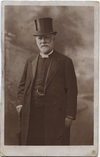
natural science, and completed an ma the next year. Having decided on a career in the Presbyterian ministry, in 1869 he entered Toronto’s Knox College, graduating two years
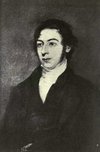
HOLMES, ANDREW FERNANDO (Ferdinando), physician, professor, college administrator, author, and scientist; b. 17 March 1797
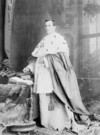
., Cornelius O’Brien was educated at St Dunstan’s College in Charlottetown, and at the college of the Sacred Congregation of Propaganda (Urban College) in Rome. During the two years he spent at St
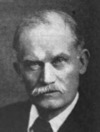
College in Guelph in April 1886. According to William Weld*, editor of the Farmer’s Advocate and Home Magazine (London, Ont.), a
. Bourque attended the small school in Beaumont until, at the age of 11, he enrolled in the College of St Joseph in Memramcook, which had recently been opened by Father Camille
Ontario Farmer, but it lasted only two years.
One of Clarke’s major editorial concerns was the establishment of an agricultural college in Ontario
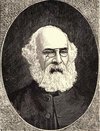
house together in Montreal for a year and a half, and then went their separate ways. Henry, now 14, entered McGill College and lived in residence, having won a competition for a scholarship founded by
.
James William Williams received his early education from his father, a Church of England clergyman, and then at a grammar school in Crewkerne. In 1851 he graduated from Pembroke College, University of
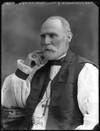
, as he was known, attended school in Smiths Falls, where his father was the Church of England rector, before entering Trinity College School, Port Hope, in 1870. His six months there and three years at
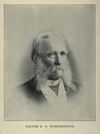
Fenwick, who became a lifelong friend. Apprenticeship was then the common way to pursue a medical education in the Canadas, the only medical school being the McGill College medical faculty in