

.
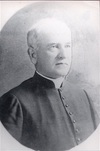
Fatherless from the age of five, Prosper Lebastard at twelve was enrolled in the Collège Saint-Martin, which was run by the Eudists in Rennes. A diffident, reserved child, he proved a brilliant student. He
became a member of the Royal College of Surgeons of London. For 30 years he served in the medical departments of the British army and the Royal Navy, and in the department of the paymaster-general of
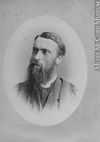
of nearby Bourn, an ecclesiastical benefice of which Christ’s College, Cambridge, was the patron. His academic distinction led to his election in 1865 as a fellow of Trinity College, Cambridge, a post
.
When Upper Canada College was formed in 1829, both Phillips and Barber joined the staff. Barber was the writing master and his duties included instruction in English and arithmetic. He was a popular
.
Théophile Lavoie was educated at the Collège de Sainte-Anne-de-la-Pocatière from 1847 to 1856 and spent the year 1857–58 taking law at the Université Laval. At the age of 24 he entered the noviciate of the
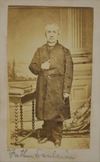
SOULERIN, JEAN-MATHIEU, priest, Basilian, superior of St Michael’s College in Toronto, and superior general of
GERMAIN, JOSEPH-LOUIS (but he signed Joseph), Jesuit missionary and professor of theology at the college in Quebec
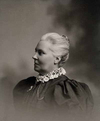
[Jennings*] passed, despite the active hostility of some professors and male students. No medical college in Canada was prepared to accept a woman as a regular full-time student, however, and Jenny, like
. He did his philosophical and theological studies at the Jesuit college in La Flèche, taught elementary Latin, classics, and rhetoric for 5 years at the college in Hesdin (department of Pas-de
for knowledge” at an early age, was classically educated at a private grammar school in County Tyrone. He entered Trinity College, Dublin, in June 1776, and despite a “low conception of his own
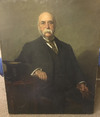
school, Andrew Smith worked on the family’s 160-acre farm, raised prize stock, and served as secretary of the local agricultural society. At age 25 he entered the Edinburgh Veterinary College. He graduated
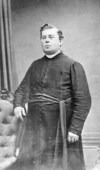
Camille Lefebvre* had opened the College of St Joseph, the first Acadian college, in 1864. He completed his education there, while teaching
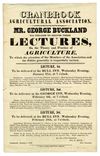
Fergusson* persuaded Buckland to return to Canada on the understanding that he would be named professor of agriculture at King’s College in Toronto; he finally received the appointment when the chair of
the Petit Séminaire de Québec, Pierre Hamel entered the Jesuit noviciate in Montreal on 8 Sept. 1851. He taught French and Latin at the Collège Sainte-Marie in Montreal in 1853–54, and for the next
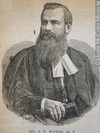
University of Toronto. He entered Knox College, the theological school of the Synod of the Presbyterian Church of Canada (Free Church), in 1855 and there was influenced by Professor George Paxton
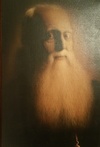
cemetery of the Clerics of St Viator.
Cyrille Beaudry did his secondary studies at the Collège de L’Assomption and the Collège Joliette from 1848 to
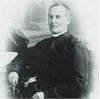
army, was the teacher. It was not until he was 16, however, that he entered the Collège de Sainte-Anne-de-la-Pocatière. There Abbé Thomas-Benjamin Pelletier, the prefect of studies, gave him his first
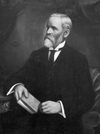
of his physician, he and his family moved to the more rigorous climate of Manitoba. He took up a homestead near Rapid City, drawn there by relatives and the new Prairie College created in 1879 by the
, rector of St James’ Church, Saint John, as well as at King’s College, Windsor, N.S. Ordained deacon in 1864 and priest the following year, he served mission churches in New Brunswick, notably at
1831, he taught at various colleges of the society in France and Italy. From 1833 to 1837 he was rector of the Collège de Chambéry in Savoy, and held the same office at the Collège d’Aoste in Italy until