

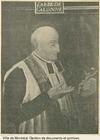
CALONNE, JACQUES-LADISLAS-JOSEPH DE, Roman Catholic priest; b. 9 April 1743 in Douai, France, son of Louis-Joseph
, Dosquet*, conferred the priesthood upon him on 23 Sept. 1730 and attached him to the parish of Notre-Dame de Montréal. After two years the young priest returned to France. At the request of M
ordained priest on 22 Dec. 1781. For a while he served as a curate, and then he asked to be allowed to join the Sulpicians. He arrived at the Séminaire de Saint-Sulpice in Paris in May 1782
DENYS DE FRONSAC, RICHARD, administrator, colonizer, trader, and fisherman; baptized 29 Aug. 1647 in the parish of Saint
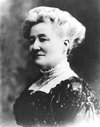
nieces. By all accounts Dorimène’s foster parents provided a comfortable life and a good education at the convent of Notre-Dame-de-Toutes-Grâces, which was run by the Sisters of Charity of Quebec [see
.
Nicolas-Benjamin Doucet’s forebear Germain Doucet de La Verdure, who was probably a native of La Touraine, France, came to Acadia in 1632. He served there as master at arms at Pentagöuet (Castine
Paul (Knowlton), 8 Jan. 1902, 19 Sept. 1905. Arch. de la Municipalité de Saint-Nicéphore, Qué., Reg. des minutes d’assemblées, municipalité du canton de Wickham, 1867–72. Arch. de la

made his perpetual profession on 21 Nov. 1848 and on 14 Oct. 1849 Charles-Joseph-Eugène de Mazenod, bishop of Marseilles and founder of the Oblates, ordained him priest
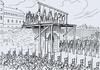
serve the right cause to make amends for his brief aberration. This document, surprisingly, was made public in L’Ami du peuple, de l’ordre et des lois on 17 Nov. 1838, as
(Packington), Que., and was buried in Notre-Dame de Belmont cemetery at Sainte-Foy, Que.
Pierre-Théophile Legaré attended the parish school and then in
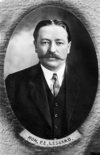
-Henri Picard, and others launched Le Courrier de l’Ouest
that he picked up a controversial account of the expedition Robert Rogers* had led against the Abenaki village of Saint-François-de-Sales (Odanak
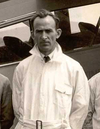
SAINT-MARTIN, JOSEPH-HERVÉ, mechanic, soldier, aviator, and businessman; b. 24 March 1894 in Saint-Gabriel-de-Brandon, Que
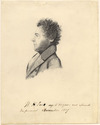
-Antoine Lefebvre de Bellefeuille, who were also co-seigneurs of Mille-Îles, seized the opportunity to intimidate the French Canadians again, but their manœuvres almost touched off a riot in the village, and
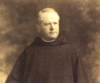
the need to propagate the teachings of the Archiconfrérie de Prière et de Pénitence, a confraternity founded on 18 April 1894 whose members undertook, in honour of the Sacred Heart, to pray and
, septembre 1843–décembre 1845; Conseil et Comités, adresses de bienvenue; éloges funèbres, 1842–64; police, nos.1–2; policiers, no.1; prisonniers; V, B, 20 juill. 1814–10 mai 1833; IX
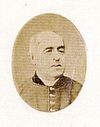
, a wheelwright, and Geneviève Chabot; d. there 26 Feb. 1881.
Charles-Félix Cazeau began classical studies in 1819 at the Collège de
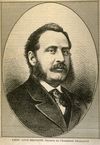
Aubert de Gaspé; they had four sons and four daughters; d. 19 July 1915 in Outremont, Que.
After studying at the Petit Séminaire de
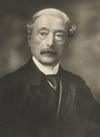
Séminaire de Sainte-Thérèse, where, as he later noted in Les gerbes canadiennes, he “worked hard, studied, laughed often, and sometimes wept.” He then enrolled in the law school of François
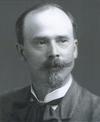
-Sophie-d’Halifax (Sainte-Sophie-de-Mégantic), Lower Canada, third of the 13 children of Théophile Hébert, a farmer, and Julie Bourgeois; m. 26 May 1879 in Montreal Maria Roy, niece of
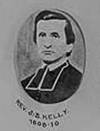
, because in 1797 he was sent to the Petit Séminaire de Québec, where, according to a professor, he demonstrated “very great application in all things.” In 1802 he was elected prefect of the students
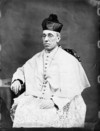
Lacourse, and then from 1839 to 1844 at the Séminaire de Nicolet. In May 1844, on the completion of his classical studies, the authorities in the seminary immediately asked him to replace the teacher of
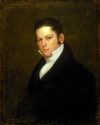
merchant. In the autumn of 1810 young Légaré entered the first year at the Petit Séminaire de Québec. He was an indifferent student and probably terminated his studies in July 1811. Less than a year
BOSCHENRY DE DRUCOUR (Drucourt), AUGUSTIN DE (he signed Chevalier de Drucour), naval officer, governor of Île Royale
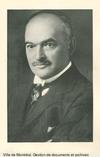
days later in Notre-Dame de Belmont cemetery in Sainte-Foy (Quebec City).
Lawrence Arthur Cannon began his studies at the Collège Commercial du Sacré
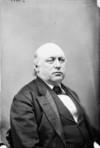
de quincaillerie Limitée) was run by Edwin Jones as president, George Taylor Davie* and Winceslas Méthot as directors, William Shaw as
Antoine to the Séminaire de Nicolet in 1857 for the usual secondary studies, which he completed in 1863. He was strongly influenced there by Abbé Louis-François
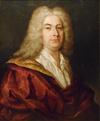
recognized until 1536 and whose material circumstances were hardly better than the surrounding peasantry’s. Gilles Hocquart’s ancestors, the Hocquarts de Montfermeil, migrated during the 16th century from
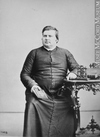
about which almost nothing is known, he entered the Petit Séminaire de Sainte-Thérèse in 1844, probably under the patronage of his parish priest, and took classical studies until 1852. He is said to have
, historiographer; b. 1641, probably at Bapaume (Pas-de-Calais, France); was still living, in France, 1700.
In 1668 he joined the Recollets of Saint-Antoine
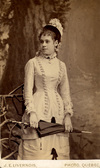
premier of Quebec on 24 May 1897. Joséphine’s mother, Hersélie, had been educated at the Couvent de Saint-Roch at Quebec, and loved to read. She unquestionably
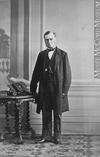
River, Lower Canada, son of Charlotte Boucher de Grosbois and Jean-Marie Mondelet*, notary, member of the assembly (1804–9), and coroner of
influential Séminaire de Saint-Sulpice, for which he provided a variety of services including representation in disputed cases relating to the commutation of land tenure. He subdivided the seminary’s lands
RAYMOND, JEAN-LOUIS DE, Comte de RAYMOND, army officer and governor of Île Royale; b. c
family. In 1754 he enlisted as a volunteer in the Régiment de Languedoc and in May of the following year sailed to Canada as a lieutenant. In September he served in the battle of Lac Saint-Sacrement (Lake
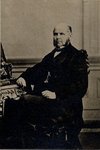
ARCHAMBAULT, PIERRE-URGEL, legislative councillor, one of those responsible for founding the École d’Agriculture de
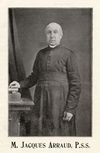
Arraud was only a subdeacon when he was admitted to the solitude (noviciate) at Issy-les-Moulineaux (department of Hauts-de Seine) during the year 1828. He had been there only a few weeks when
opérations de l’armée américaine, lors de l’invasion du Canada en 1775–76, par M. J. B. Badeaux, notaire de la ville des Trois-Rivières.” It was reprinted the following year by the Literary and
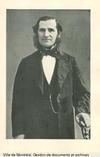
died in 1865, as a commissioner. His part was a notable one, and he is considered one of the principal drafters of the first edition of the Code de procédure civile du Bas-Canada
Quévillon*’s workshop during the first decade of the 19th century, but there is no documentary evidence to substantiate this hypothesis. Certainly by 1812 he was living at Saint-Vincent-de-Paul (Laval
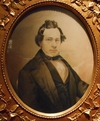
town.
Olivier Berthelet was educated at the Petit Séminaire de Montréal, where his fellow-students included Côme-Séraphin
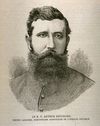
. But he fell dangerously ill and had to leave the community. He took refuge in the Séminaire de Saint-Sulpice in Montreal, working as a door-keeper and tailor. Later he was employed in that city by a
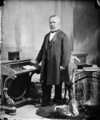
-de-Blairfindie (L’Acadie), Lower Canada, eldest son of François Bourassa, its first mayor, and Geneviève Patenaude; brother of Napoléon
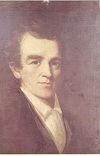
-Aylmer], Lady Aylmer, and Marie-Louise de Saint-Henri [McLoughlin] of the Ursulines. In
[see Marie-Louise Curot, dite de Saint-Martin]. Not only had Bowman and Détailleur provided
de l’Assomption [Marie-Josèphe Maugue-Garreau*]. The following year she became superior. The community was then facing numerous
Sainte-Anne at Fort de Chartres (near Prairie du Rocher, Ill.).
Several historians have mistakenly claimed that Léonard-Philibert Callet (spelled
CARHEIL, ÉTIENNE DE, Jesuit priest, missionary, and teacher; baptized 23 Nov. 1633 at Carentoir, France; son of François de
one of the French priests whom Jean-François de La Marche, the bishop of Saint-Pol-de-Léon – himself an exile – recruited to swell the ranks of the clergy in the diocese of Quebec, where
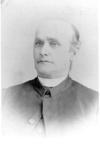
1859, when Lafrance realized that financial difficulties would soon force the seminary to close, he sent Cormier and two more of the best pupils, at his own expense, to study at the Collège de Sainte