

, where he was one of the first to receive land grants. He bought from the Sieur Besnard, dit Saint-André, a piece of land, two acres of which were already cleared, then on 17 March 1665
. Ivanhoë Caron, “Les censitaires du côteau Sainte-Geneviève (banlieue de Québec) de 1636 à 1800,” BRH, XXVII (1921), 97–108.
battle of the Monongahela in July, the French knew of British plans for an attack on Fort Frontenac (Kingston, Ont.) and Fort Niagara (near Youngstown, N.Y.) as well as on Fort Saint-Frédéric (Crown Point
), physician, journalist, and newspaper manager; b. 9 Oct. 1870 in the parish of Saint‑Roch in Quebec City, son of Édouard Dorion, a carpenter, and Marie-Émilie Chabot; m. first 12 July 1897
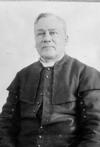
curé, and he held this status for the rest of his life. He served at the following places: Shippagan, with responsibility for the islands of Lamèque and Miscou, in 1871–72; Saint-Charles, in Kent County
favour of Governor Saint-Ovide [Monbeton*]. In 1730 he was promoted lieutenant and in 1732, the year before his uncle Duchambon
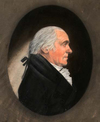
April 1843 in Saint-Hyacinthe, Lower Canada.
There are two versions of Louis Dulongpré’s arrival in North America. According to his obituary in
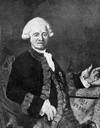
made a knight of the order of Saint-Louis on 17 March 1756, at 35 years of age. He would have liked, however, to see the decoration accompanied by a promotion; as he wrote to the minister
family to Saint John, N.B., in the summer of 1863. That September he became an incorporator and managing director of the New Brunswick Sugar Refining Company, apparently a holding company for Saint John’s
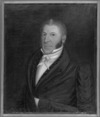
Christian Roy, who wrote a history of L’Assomption, he was “the most influential man in L’Assomption between 1800 and 1845.” In addition he looked after the affairs of Paul-Roch Saint-Ours, who in 1805 chose
.
According to tradition, Gamache’s ancestors came from the French village of Saint-Illiers-la-Ville. They immigrated to New France in the 17th century and after a number of years on the Beaupré heights they
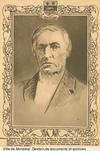
clerk of the crown, it was not long before he grew sick of the minutiæ of the bureaucracy; a few months later he opened his own office on Rue Saint-Pierre, in Quebec
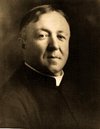
Saint-Jean-Baptiste from 1892 to 1901, and in the parish of Saint-Joseph from 1901 to 1906. A poet and musician in his spare time, a brilliant preacher devoted to his parishioners, he composed patriotic
he was guardian of the convent of Metz (1704–10) and novice master. In August 1722 he was elected provincial of the Recollets of the province of Saint-Denis (1722–25), and on 9 July 1731
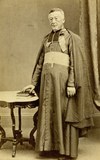
bursar (1827–29) at the seminary of Marseilles. On 31 May 1828 he was ordained priest by Charles-Fortuné de Mazenod, bishop of Marseilles. Shortly afterwards he was appointed novice-master at Saint
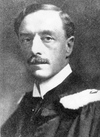
, probably in Saint-Michel-de-Vaudreuil (Vaudreuil-Dorion), Lower Canada, son of Henri-Stanislas Harwood, an engineer, and Joséphine Brauneis; m. first 15 April 1891 Marie Masson (d. 16 Oct
Seven Years’ War, Edme Henry’s father settled on Saint-Pierre and Miquelon, leaving his wife and family in Montreal. Henry attended the Collège Saint-Raphaël from 1772 to 1778 and studied law for three
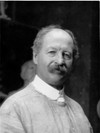
Brymner*, Joseph-Charles Franchère, Joseph Saint-Charles, William Edwin Atkinson, Albert Curtis Williamson, Charles Gill*, and Cullen studied in
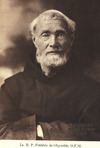
JANSSOONE, FRÉDÉRIC (baptized Frédéric-Cornil, called Brother Frédéric-Yves or Frédéric de Saint-Yves
. L.-C. Daigle, Histoire de Saint-Louis-de-Kent: cent cinquante ans de vie paroissiale française en Acadie nouvelle (Moncton, [1948]).
spirits for sale in Lower Town, and he subsequently engaged at least in part in wholesale trade from a “large commodious house” with cellars and a storehouse on Rue Saint-Pierre. Having bought and sold
. 21 Nov. 1767 Ann Livingston at Montreal and they had at least ten children; m. secondly 2 Nov. 1792 Marie-Anne Raby at Montreal and they had one son; d. 23 Feb. 1796 at Saint
. In 1565 he became governor of Morlaix (Brittany). This position opened his eyes to the profits brought to Saint-Malo by the fisheries and the fur trade on the American coasts, and suggested to him that
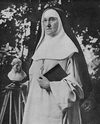
Dominicaines de l’Enfant-Jésus; b. 1 April 1852 in Saint-Raphaël, Lower Canada, eighth of the ten children of Augustin Labrecque and Sophie Gagnon; d. 1 July 1920 in Sillery, Que
City, son of Joseph Laurin and Catherine Fluet; m. 3 Sept. 1839, in the parish of Saint-Joseph (now in Lauzon), Lower Canada, Marie-Louise, daughter of merchant Étienne Dalaire (Dallaire); d
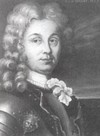
LE MOYNE DE SERIGNY ET DE LOIRE, JOSEPH, naval officer, knight of the order of Saint-Louis, joint commander of Louisiana, governor of
.
Revisions based on:Arch. Départementales de Loire-Atlantique (Nantes, France), “Généalogie: reg. paroissiaux et d’état civil,” Nantes, Sainte-Croix, 17 déc. 1633
Legardeur* de Tilly, also a member of the Conseil Souverain, and of Geneviève Juchereau de Maur; baptized 24 Dec. 1652 at Sillery; buried 13 Aug. 1720 at Saint-Antoine de Tilly
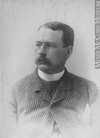
, Napoléon Legendre began his classical studies in 1856 at the Collège Sainte-Marie in Montreal. Called to the bar on 5 Jan. 1865, he practised law for some time in Lévis. “But,” writes Camille
seven, Joseph-Onésime Leprohon was deeply upset by his mother’s death. His father sent him to the Collège Saint-Raphaël (the Petit Séminaire de Montréal from 1806), where he did his classical studies
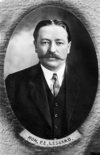
sons; d. 11 April 1931 in Saint-Paul-des-Métis (St Paul), Alta, and was buried in the cemetery of St Joachim’s Church, Edmonton
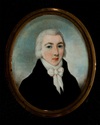
. 17 June 1790 Marianne Melvin in Quebec City; d. there 11 Jan. 1834, and was buried 14 January in Saint-Charles-Borromée parish at Charlesbourg, Lower Canada
, of the parish of Saint-Maclou (Rouen); b. 1681; buried at Quebec 28 July 1739.
On 15 July 1707, at Quebec, Louet married Anne
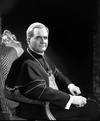
Léger spent his entire childhood in Saint-Anicet, a small bilingual village on Lac Saint-François, southwest of Montreal, where his parents had settled to engage in business. He took his elementary
.
In October 1668, after some sort of apprenticeship as a surgeon-barber, Louis Maheut sailed on the Sainte-Anne, proposing to go and continue his surgical studies in France. For this
mentions Makheabichtichiou in 1637. A daughter, Agatha Khisipikiwam, was baptized at the mission of Saint-Joseph (Sillery) according to a register of baptisms for the year 1638–40 and the death of his oldest
career in the colonial regular troops, reaching the rank of captain and becoming a knight of the Order of Saint-Louis. Pierre-Paul probably studied for some time in Montreal before being admitted into the
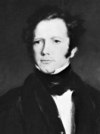
Colborne* and Lieutenant-Colonel George Augustus Wetherall*. He took part in the battles at Saint-Eustache and Saint-Benôit (Mirabel
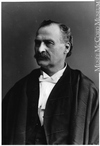
, Lower Canada, son of Joseph Mathieu, a farmer, and Edwige (Hedwige) Vandal; m. there first 22 June 1863 Thirza Saint-Louis, daughter of Augustin Saint-Louis and Joséphine Desaulniers; m. there
Gallard. An energetic missionary and an active woman, Sister Maumousseau discharged the most difficult duties at the Hôtel-Dieu. When Bishop Saint-Vallier
MESSIER, MARTINE, wife of Antoine Primot; b. at Saint-Denis-le-Thiboult (or le Petit-Bourg), in the diocese of
troops and loyalist refugees to the future colony of New Brunswick.
Samuel Miles was to settle in Saint John, where he set up as a merchant and later
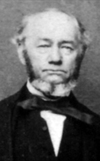
diocese the land and money required for the construction of All Saints’ Church. He also presented land to Hamilton for use as a cemetery.
Samuel Mills
on Rue Saint-Paul in Montreal on 12 Jan. 1797. On 15 May, in joint ownership with David Alexander Grant and Quebec merchant William
Amiot*, and went to Île Verte, where 60 Montagnais and Papinachois were waiting for him. On 8 December they reached Île Saint-Barnabé. It was not until 21 December, after they had made
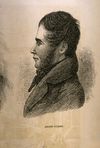
OUIMET, ANDRÉ, lawyer, Patriote, and politician; b. 10 Feb. 1808 in Sainte-Rose (Laval), Lower Canada, son of Jean Ouimet
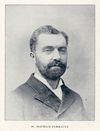
politics, religion, commerce, and construction. His grandfather was the half-brother of Charles-Ovide Perrault, a Patriote and member of the House of Assembly who died in the battle of Saint-Denis, on the
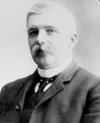
. 17 Feb. 1857 in Saint-Jean-de-Matha, Lower Canada, son of Joseph Picard and Angèle Roi, farmers; m. 25 Nov. 1903 Martine Voyer in Edmonton, and they had two sons; d. there 23
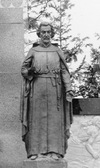
QUEN, JEAN DE, priest, Jesuit, missionary, discoverer of Lac Saint-Jean, founder of the Saguenay missions, superior of the missions of
de La Marche, bishop of Saint-Pol-de-Léon in France, who obtained help for him. Knowing it would be some time before he could return to France, he decided to emigrate to Lower Canada. Through