

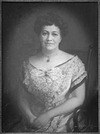
BEEMER, SARA GALBRAITH (Calder), philanthropist; b. 19 Aug. 1846 in Hamilton, Upper Canada, daughter of Levi Beemer, a
.
He had married in Montreal in 1729 Hannah Parsons, by whom he had ten children. This Englishwoman was originally from Wells (Me.) and had been captured and brought to Canada at the age of two; on
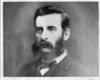
before immigrating to Canada West in 1850. He joined his brother John at the Paris Star in 1852 and also became involved in the Ingersoll Chronicle. That same year he purchased the weekly
.
Louis de Bonne de Missègle was a half-pay captain in the Régiment de Condé when he came to Canada in August 1749 with Governor
; Greffe de Marien Tailhandier, 14, 26 mars 1713, 14 avril 1718, 28 nov. 1725. Recensement du Canada, 1681 (Sulte). P.-G. Roy, Inv. coll. pièces jud
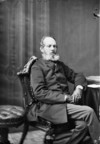
a member of the federal Senate. But his hope that the island would receive more attention under confederation was unfulfilled, and his dream that it would become an industrial centre of Canada went
; d. 13 Jan. 1900 in Fort-Coulonge, Que.
George Bryson accompanied his parents to Ramsay Township, Upper Canada, in 1821; he received his
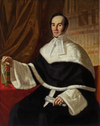
that were more popular and more in conformity with the wishes and customs of the inhabitants of Lower Canada. They denounced the working of the legal system, the exclusion of Canadians from the
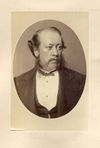
.
Francis Wayland Campbell received his early education at Dutton’s Academy and at the Canada Baptist College, both in Montreal. For six years, apparently from the age of 14, he worked for his father
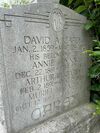
. there 26 March 1927.
David A. Carey immigrated to Canada with his family in 1861 or 1862. They lived in Quebec and Montreal, where David
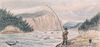
immigrated to Canada in 1870 with his parents and siblings, including his younger brother Ernest John*. His father would become headmaster of
CHAMPION DE CICÉ, LOUIS-ARMAND (baptized Louis), priest, Sulpician, missionary in Canada, vicar apostolic to Siam
and went to its Paris seminary on 7 Nov. 1718. He was not ordained a priest until 1734, shortly before his departure for Canada. The circumstances of his coming to New France are puzzling. It
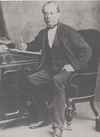
.
George King Chisholm was educated at the Nelson common school, at Gore District grammar school in Hamilton, and at Upper Canada College in York. He married Isabella Land, granddaughter of Robert
troops, served with distinction in Canada 1685–93; b. 1647; d. 12 Oct. 1707.
At the age of 14 Valrennes killed a man but
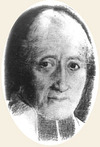
.
Father Constantin must have been one of the four Recollets who came to Canada in 1696. His name appears in the records for the first time on 8 Nov. 1697 at Trois-Rivières; on 20 Feb
Patrick Corrigan and Grace McNult, all born in Ireland; m. Catherine Mortin (Moreton), and they had two sons and a daughter; d. 19 Oct. 1855 in Saint-Sylvestre, Lower Canada, and was
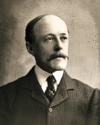
revision of the statutes of Canada [see George Wheelock Burbidge*]. He was also instrumental in drafting important legislation
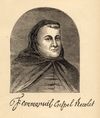
voyage.
Having returned to Canada – in 1750, it seems – he became the provincial commissioner of the Recollets, an office he retained for the
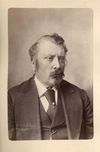
CREVIER, JOSEPH-ALEXANDRE, doctor and naturalist; b. 26 Feb. 1824 at Cap-de-la-Madeleine, Lower Canada, son of
.
Following the appointment in 1796 of John McGill*, husband of his sister Catherine, as commissary general of Upper Canada, Crookshank and another sister
Canada.
Prior to the American revolution John Crysler lived in New Dorlach (Sharon Springs), N.Y. In 1777 his father joined the British army at Fort
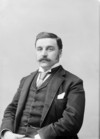
DALY, THOMAS MAYNE, lawyer, politician, office holder, and judge; b. 16 Aug. 1852 in Stratford, Upper Canada, second son of
later years, Day travelled among churches in the United States and Canada as an advocate for foreign missions. His influence played an important role in inspiring Canadian Baptists to support the work in
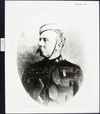
the Anglo-Canadian elite. The core of his life’s work was in Canada, but he was not wholly Canadian, either by birth or by inclination. In a sense, his career here was that of an imperial officer, and
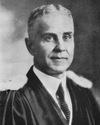
on forensic medicine for L’Union médicale du Canada. He wanted to set up in Quebec a system of forensic investigation similar to the one he had observed in France. In the British system, both
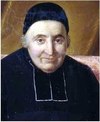
Marche, the bishop of Saint-Polde-Léon, who happened to be engaged in recruiting priests for the Canadas.
The Canadian church had not been able to call
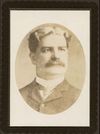
DEVLIN, CHARLES RAMSAY, politician and office holder; b. 29 Oct. 1858 in Aylmer, Lower Canada, son of Charles Devlin and
.
Robert Dick’s family immigrated to Upper Canada in 1821 with several hundred other Lowland Scots through the Trongate Society of Lanarkshire for whom land had been reserved in Johnstown District. Both
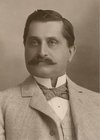
-Denis, near Kamouraska, Lower Canada, eldest of the 12 children of Narcisse Dionne and Élisabeth Bouchard, m. first 23 Oct. 1873 Laure Bouchard (d
of Pierre Drouin, a merchant, and Marie-Louise Fraise; m. 21 Nov. 1843 Marie Paquet, widow of Simon Forgues, at Saint-Michel, Lower Canada; d. 27 May 1860 at Quebec
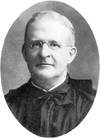
Drummond*, solicitor general of Lower Canada, and Elmire Debartzch, daughter of Pierre-Dominique Debartzch*; d. 28 July
republished the plan in L’Aurore des Canadas in 1841 and L’Encyclopédie canadienne in 1843, and in the latter year Michel
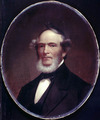
DUNCOMBE, CHARLES, physician, politician, and a leader of the rebellion of 1837 in Upper Canada; b. 28 July 1792 at
at Trois-Rivières.
We do not know the exact date of Father Siméon Dupont’s arrival in Canada. His first act entered in the parish register of Trois
.
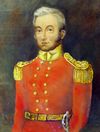
From 1816 to 1831 Durnford was commanding officer of the Royal Engineers in the Canadas. He lived at first in a rebuilt section of the former intendant’s palace at Quebec, and then moved with his family
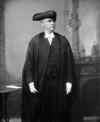
Aug. 1841 in Hatley, Lower Canada, son of James Edgar and Grace Matilda Fleming; m. 5 Sept. 1865 Matilda Ridout*, daughter of Thomas
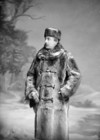
[Petty-Fitzmaurice*], the newly appointed governor general of Canada and a family friend, had offered to bring him to Ottawa as his military secretary. Melgund accepted the offer and he and Lady
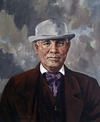
eight children; d. 9 Jan. 1877, near Peterborough, Ont.
John Fife brought his family from Kincardine, Fifeshire, Scotland, to Canada in
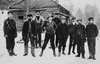
Connor). In 1910 Governor General Lord Grey* became a patron. By 1913 there were 75 labourer-teachers across Canada; one of them
Victoria. In October 1871 he left for England and returned a year later, after “a lengthened tour of Europe and Canada.” In 1873 he was in San Francisco administering the estate of his brother Edward
Raimbault. AN, Col., C11A, 109–10. Collection Lafontaine (Sir George Williams Univ., Montreal), Registre de la paroisse de Batiscan; Registre de la cure de Montréal. Recensement du Canada
affaire du Canada. On 29 March 1762 the Paris Châtelet ordered his arrest, and he was tried in absentia. The judgement rendered on 10 Dec. 1763 found Bigot and his accomplices guilty
with François-Étienne Cugnet to try to introduce buffalo into Canada; this enterprise was not, however, successful. Some years later Gastineau Duplessis had new business dealings with Cugnet, who in 1736
professed continued allegiance to England, he took the precaution of keeping communications open with Canada. Encouraged by Johnson to pass a war belt through the Confederacy, the Oneida chief instead
May 1696 (o.s.); d. 14 June 1720 at Charlestown, father of at least ten children.
In 1698 Gill was trading with Canada in a 40-ton

teacher ended when she was presented with an interesting opportunity.
In 1910, some seven years after her return to Canada, Graham would explain her

Leamington College in England. His military career began in Canada when he was not yet 19: in June 1866 he served in the Fenian campaign with the 2nd Battalion of Rifles (Queen’s Own Rifles of
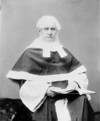
, William Charles*, he sailed for the Canadas early in 1832. He took the preliminary examination of the Law Society of Upper Canada in June 1832 and spent two years under articles to Thomas
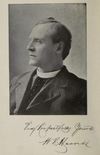
Old World had to die if Canada was to flourish as a nation, he made himself a leading example of ecumenical behaviour. In Newmarket he was an important patron of the local library and mechanics