

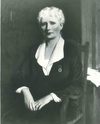
of seven children. After her marriage at age 21, she moved to Upper Canada with her husband, who was then professor of philosophy at Queen’s College in Kingston. In 1872 he took up a similar
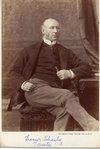
Saunders of Guelph, Canada West, daughter of Thomas Saunders, colonel of the militia and clerk of the peace for Wellington County, and they had ten children; d. 13 Sept. 1882 of a heart attack
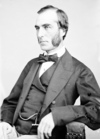
evening of life,” he told his American friend Charles Eliot Norton. He was, as he remarked after Harriet died in 1909, “finally bound to Canada by the happiest event of my life
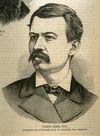
), Lower Canada, son of Joseph Tassé and Adélina Daoust; m. 30 Aug. 1870 Alexandrine-Victorine-Georgiana Lecourt in Ottawa, and they had three daughters and a son who died in infancy; d. 17
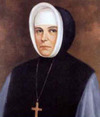
of 15 children, only six of whom reached adulthood. Despite the precarious economic state of Lower Canada at the beginning of the 19th century, the Tavernier family was not impoverished. However
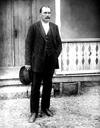
, was left behind in Russia. Peter Petrovich twice visited his father in Canada, in 1905 and probably in 1906, with the intention of immigrating along with a group of Russian Doukhobors. Relations were
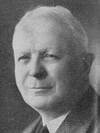
Melrose, Scotland, young Dick Waugh and his family emigrated to Canada in the early 1880s and settled in Winnipeg. Waugh did not follow his father into agricultural journalism but rather aimed for the
when he secured an appointment as inspecting field officer of militia in Upper Canada in November 1815 and soon afterward he came out to North America with his wife of some two years and two infant

conditions in British Columbia and Alberta. Known as “Brown of Red Deer,” he played a major role in opposing the formation of the United Church of Canada, and in 1931, while serving in Saskatchewan, he was
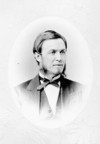
CAMERON, Sir MATTHEW CROOKS, lawyer, politician, and judge; b. 2 Oct. 1822 in Dundas, Upper Canada, youngest child of
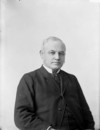
CARLING, Sir JOHN, businessman and politician; b. 23 Jan. 1828 in London Township, Upper Canada, youngest son of Thomas
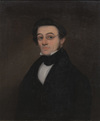
, and architectural patron; b. 17 Sept. 1804 in Kingston, Upper Canada, son of Richard Cartwright* and Magdalen Secord; m. 11
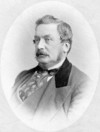
fortifications, attaining such expertise in the building of permanent foundations that he continued to be consulted on the subject for a decade after coming to Canada. From 1845 to 1847, while at the dockyards, he
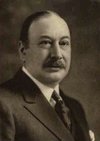
manufacturer. Its Canadian interests were transferred to the American Tobacco Company of Canada, which was formed on 1 September. The Davis family became a minor partner of the Duke family, with 25 of
Sherbrooke, Lower Canada.
William Bowman Felton was among the half-pay officers who came to British North America to establish themselves as landed gentry
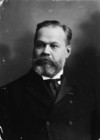
, lawyer, politician, and office holder; b. 16 Nov. 1839 in Pointe-Lévy (Lévis), Lower Canada, son of Louis Fréchette and Marguerite Martineau; m. 10 July 1876 Emma Beaudry in Montreal
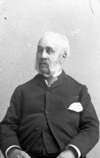
building echoes the Italianate manner of the public buildings executed a few years earlier with Gingell but it also announces the bold High Victorian character for which Fuller became known in Canada. Apart
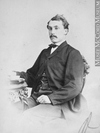
Georgeville, Que., and was buried in Outremont.
Andrew Frederick Gault, the “Cotton King of Canada,” was born into a large, prosperous
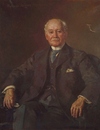
philanthropist; b. 18 July 1848 in St Michaels (Athelstan), Lower Canada, eldest of the four children of Robert Walker Graham, a gentleman farmer, and Marion Gardner; m
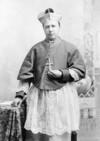
archbishop; b. 23 Aug. 1855 in Saint-Isidore, near La Prairie, Lower Canada, one of the 16 children of François-Théophile Langevin and Marie-Paméla Racicot; d. 15 June 1915 in
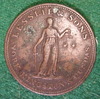
-do stationer, bookbinder, and bookseller in Dundee, and was able to provide his offspring with a good education. When, in 1819, Edward decided to emigrate to Canada to open a new business that would
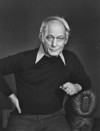
perfect symbol of Canada’s “two solitudes.” In this world, where English was required for making oneself understood, young René lost no time in becoming bilingual. He also discovered that the rich spoke
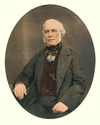
Simcoe* as lieutenant governor of Upper Canada, he moved to Niagara where Simcoe, his former commanding officer, appointed him commissary of stores. In a succession of official positions, McGill was
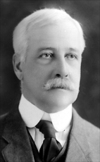
, arrived in Lower Canada in 1802 and had settled in Upper Canada by 1803, while his maternal great-grandmother, a widow, and her children landed in Lower Canada in 1816. John’s father co-founded a
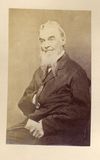
immediate action: the setting up of a provisional government, the proclamation of a republic of Lower Canada, and the invasion of Lower Canada. Robert Nelson, supported by a group including Dr Côté and
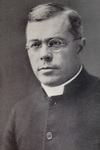
degrees. Intent on entering the priesthood, he studied in Germany, Belgium, France, and Italy before returning to Canada to enrol at the Grand Séminaire de Montréal. On 21 Dec. 1908 Archbishop Joseph
the parish of Marykirk, Scotland, son of John Spark and Mary Low; m. 13 July 1805 Mary Ross at Quebec, Lower Canada; they had no children; d. there 7 March 1819
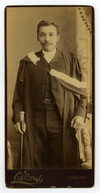
First Nations people in what are now Alberta and Saskatchewan. His father, Henry Steinhauer, an Ojibwa (Anishinaabeg) Methodist minister from Upper Canada, had founded the mission, where he taught the
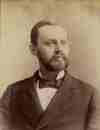
growing up with his English-speaking relatives in a small Ohio village, Father Brent met some priests from Lower Canada who had come from the Séminaire de Saint-Hyacinthe to carry on their ministry in the
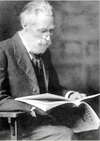
, emigrated to Upper Canada with his parents when he was a teenager. After short stays in Belleville and Lindsay, the Thompsons settled in St Catharines. Tom studied law and worked for the same insurance
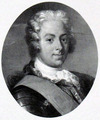
the Héros, which carried supplies to Canada in 1711. He was promoted sub-lieutenant on 25 Nov. 1712; until 1736 he usually served at Rochefort, with, however, some sea postings which took
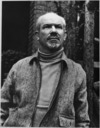
medical school, the Upper Canada School of Medicine. Henry Norman’s father, Malcolm Nicholson Bethune, initially led an adventurous life and travelled around the world. In Honolulu he met an English
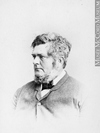
Presbyterian Scots, spent his early years in Lanark County, Upper Canada, where his father settled after the disbanding of his regiment. Angus Cameron established a tavern beside the Mississippi River between

, Upper Canada.
In the late 18th and early 19th centuries few natural scenes then known could equal the spectacle of the great falls at Niagara. Renowned
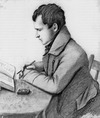
always signed Chevalier de Lorimier), notary and Patriote; b. 27 Dec. 1803 in Saint-Cuthbert, Lower Canada, third of the ten children of Guillaume-Verneuil de Lorimier, a farmer
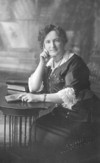
Upper Canada in 1830 and worked as a shantyman in Ottawa River lumber camps; he settled in 1841 on a free-grant farm of 50 rocky acres near Chatsworth, south of Georgian Bay, and married Letitia
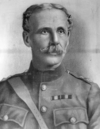
OTTER, Sir WILLIAM DILLON, militia and army officer; b. 3 Dec. 1843 near the Corners (Clinton), Upper Canada, son of Alfred
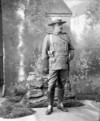
STEELE, Sir SAMUEL BENFIELD, NWMP officer and army officer; b. 5 Jan. 1848 in Medonte Township, Upper Canada, son of
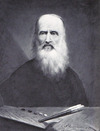
PLAMONDON, ANTOINE, painter, teacher, farmer, and politician; b. 29 Feb. 1804 in L’Ancienne-Lorette, Lower Canada
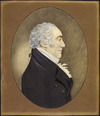
letters also express hatred of disloyalty, an attitude Richardson would reveal time and again in Lower Canada.
After the peace in 1783, Richardson was
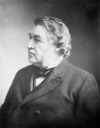
of the Atlantic.” Tupper did not yet advocate protection. What he did see as necessary was access to the markets of Canada and the United States, a substantial influx of capital, and the steady growth
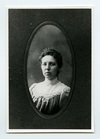
.
Margaret Addison, the daughter of a Methodist Church of Canada minister and a former schoolteacher, was profoundly influenced by her parents’ belief in education as a moral and spiritual guide. The family

, Dictionnaire, I, 8. Canada, an encyclopædia of the country: the Canadian dominion considered in its historic relations, its natural resources, its material progress
Alexander Russell, assistant surveyor general of Canada, who had gone to the observatory at Chicago for this purpose. Anderson also made careful plans for the short summer seasons of 1873 and 1874 when
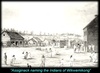
. probably in 1768, perhaps at Arbre Croche (Harbor Springs, Mich.); d. 3 Nov. 1866 at Manitowaning on Manitoulin Island, Canada West. His second wife was Theresa Catherine Kebeshkamokwe and one
. . . , which summarizes the judicial decisions concerning the province of Quebec handed down by the courts in Quebec, Canada, and Great Britain from 1770 to May 1913. He said that this four-volume work, which
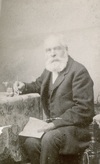
, Scotland, son of Andrew Begg, a miller and crofter, and Jane Taylor; nothing is known of his first marriage; m. secondly 1858 Emily Maria Luke in Brockville, Upper Canada, and they raised eight sons and
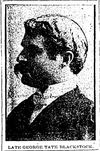
BLACKSTOCK, GEORGE TATE, lawyer; b. 1 April 1856 in Newcastle, Upper Canada, son of William Schenck Blackstock and Mary
. secondly after 1821 Polly —; d. 9 Sept. 1849 in Port Stanley, Upper Canada.
In 1788 John Bostwick’s father, a Church of England minister
, Upper Canada, first child of Dennis Sero (Shero), a farmer, and Ellen Funn; m. 29 June 1896 Frances Baynes Kirby, née Pinder, of Fishwick (Preston), England; d. 7 May 1914 in London